
February 18–March 28, 2025 | East Metro, Minnesota
After our first Metropolitan Council 4-H Climate Action workshop, I took what I had learned and brought it into my own community.
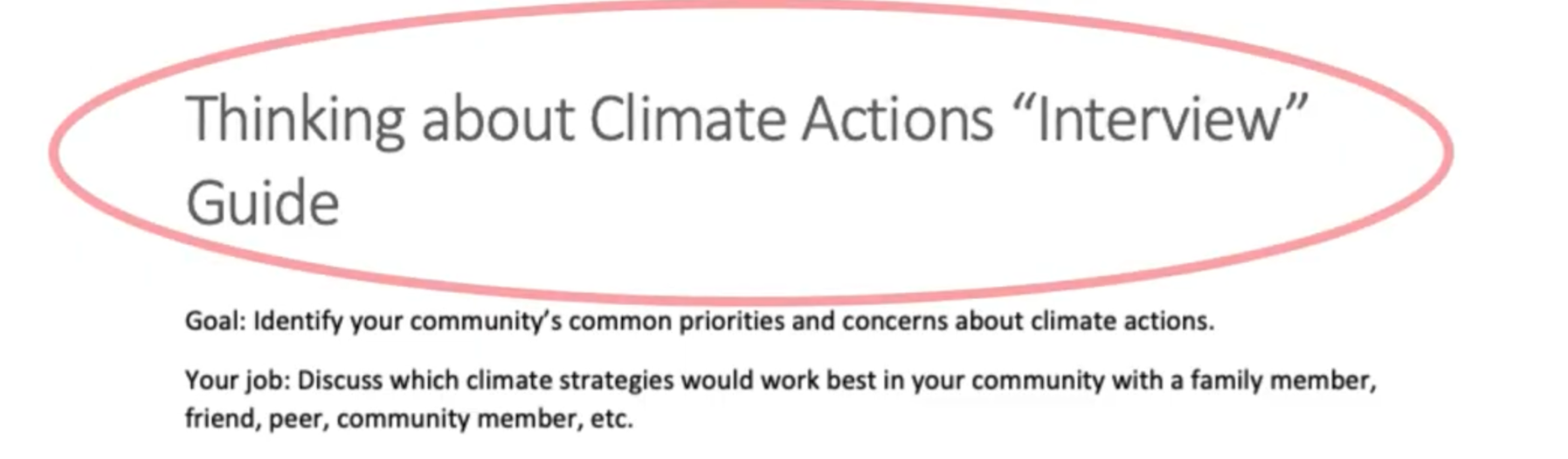
My task was to interview community members about different climate actions—things like saving energy at home, using renewable energy, changing transportation habits, and protecting natural spaces. I had to approach people in person, explain the project, ask for permission to record the conversation, go through the consent process, and then guide them through the interview questions. Afterward, I reviewed the recordings, filled out the response scales, and compiled the results to share with the project team.

At first, this was much harder than I expected.
Walking up to strangers and asking them to spend time talking with me felt uncomfortable, especially when I also had to ask whether I could record the conversation. Some people said no. A few of my first attempts were awkward, and I found myself worrying about how I sounded or whether I was bothering someone.

But each interview got a little easier.
I started becoming more comfortable introducing myself, explaining why I was there, and letting the conversation develop naturally. Eventually, I could have thoughtful conversations with people I had never met before and ask follow-up questions when something they said caught my attention.
I had done debate and speech training since 7th grade, but this experience felt different. In debate, I usually knew the structure of the conversation and had time to prepare what I wanted to say. Here, I had to listen closely, respond to very different people, and make them comfortable enough to share what they actually thought.
The interviews also helped me understand something important about environmental action: people can support the same goal while having very different reasons for choosing—or avoiding—a particular action. Cost, convenience, time, access, and personal priorities all shaped their answers.
By the end of the interview period, I had gained much more than a set of responses for the project. I had become more confident approaching people I did not know, listening to perspectives different from my own, and turning a structured questionnaire into a real conversation.
I definitely learned and grew through this process. What began as an uncomfortable assignment became an eye-opening experience that helped me become more confident talking with people, listening to different perspectives, and understanding how differently people can think about the same environmental issue.