

March 29, 2025 | Twin Cities, Minnesota
At our second Metropolitan Council 4-H Climate Action workshop, we brought together everything we had collected from our community interviews across the seven Twin Cities metro counties.
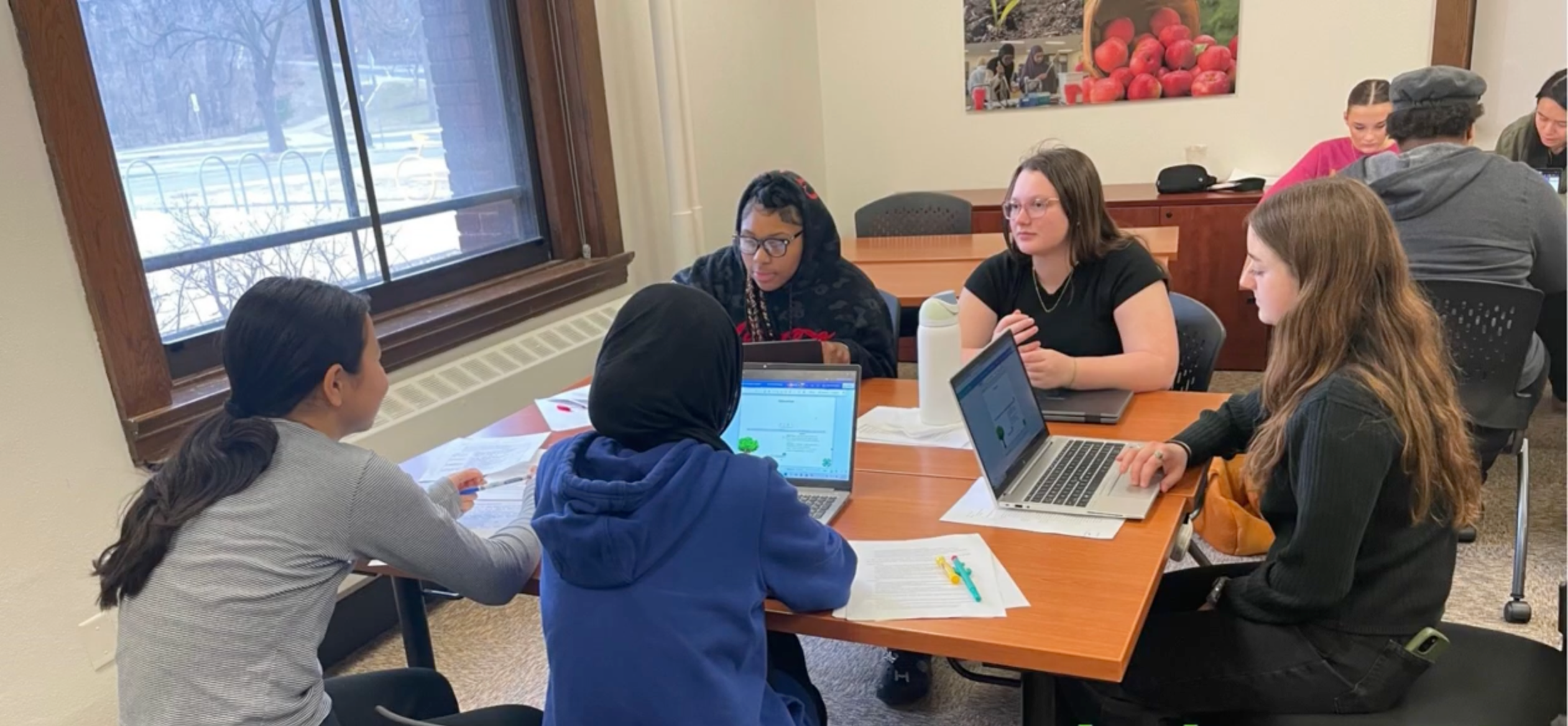
We started by reflecting on the interviews and reading through the responses gathered by youth across Anoka, Carver, Dakota, Hennepin, Ramsey, Scott, and Washington Counties. We looked for repeated ideas, concerns, and patterns in how people thought about different climate actions.

One thing that stood out was how often practical concerns shaped people’s choices. Cost, convenience, access, and how much control someone had over a decision could make a big difference. Some people were interested in home energy improvements or renewable energy, for example, but were much more enthusiastic when cost was removed as a barrier.
Working in groups, we organized the interview responses into major themes and compared which actions people ranked higher or lower. This helped turn dozens of individual conversations into a clearer picture of what communities valued and what could make climate action easier or harder.

Then we moved from analysis to communication.
Our groups created posters and presentation slides summarizing what we had learned. We combined data, quotes, themes, and recommendations into materials that could be shared with county and community leaders. We also practiced presenting our findings and explaining why community perspectives should be considered when planning environmental action.
What I liked most about this workshop was seeing the entire process come together. We had started by learning about climate strategies, then went into our communities to talk with people, brought those responses back, analyzed them as a team, and finally turned them into something we could communicate to decision-makers.


It made me realize that environmental work is not only about identifying good ideas. It also means understanding the people those ideas affect, finding patterns in what they tell you, and communicating those lessons clearly enough that they can help shape real decisions.